[Expo] The golden age of rallying recounted at Rétromobile
The golden age of rallying
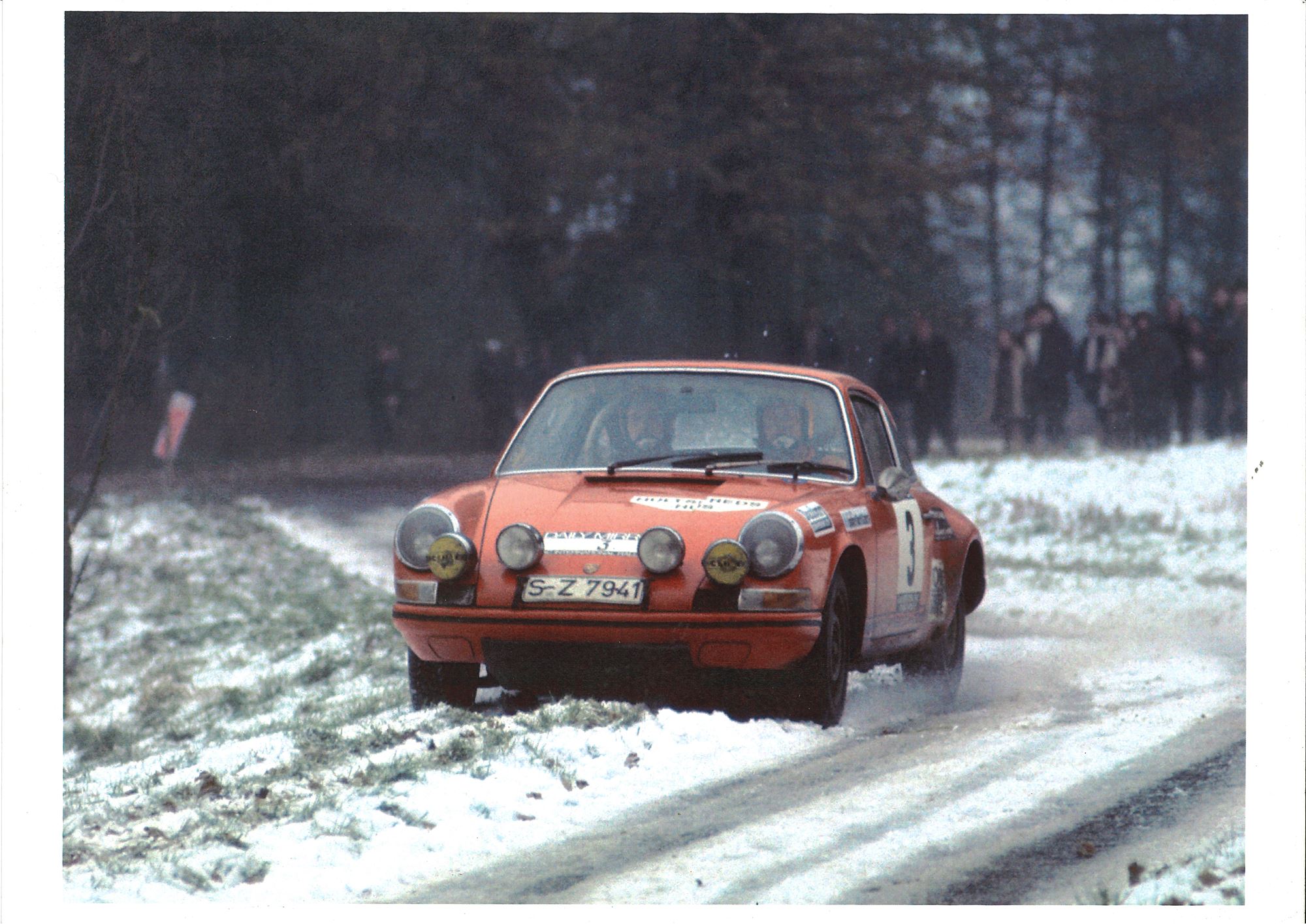
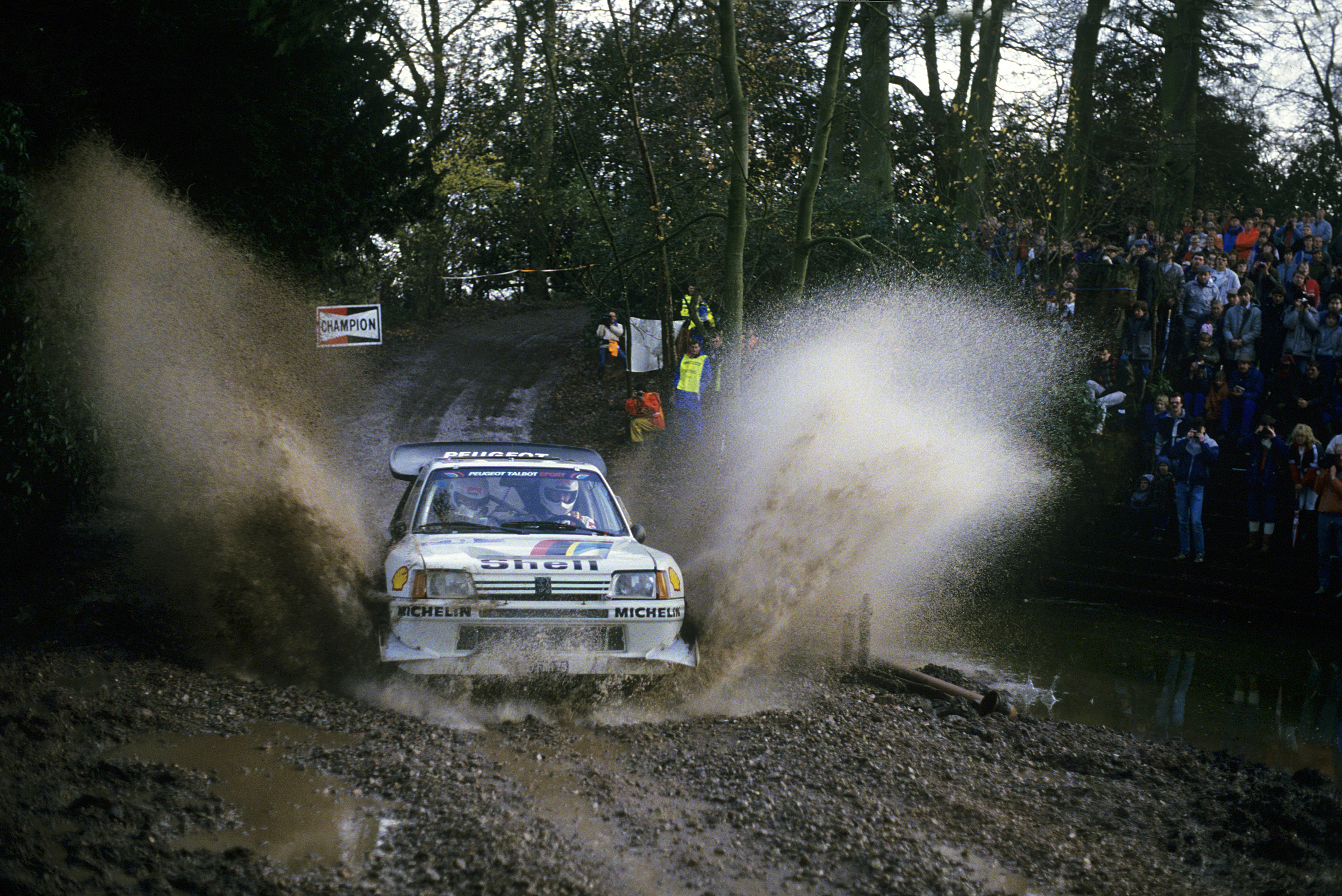
After the 2025 edition celebrated French Formula 1, the world of rallying will be in the spotlight at the 50th anniversary of Rétromobile. On this occasion, the most exciting pop-up garage for classic cars will host a unique display, orchestrated in collaboration with the Fondation Gino Macaluso, dedicated to vehicles that have left their mark on the rallying world over time. Ford Cortina, Lotus MK1, Lancia Stratos 2400cc, Peugeot 205 Turbo 16 and Toyota Celica GT-4 ST165 are just a few of the models on display at the exhibition, which will recount nearly 30 years of motorsport adventures to visitors at Rétromobile.
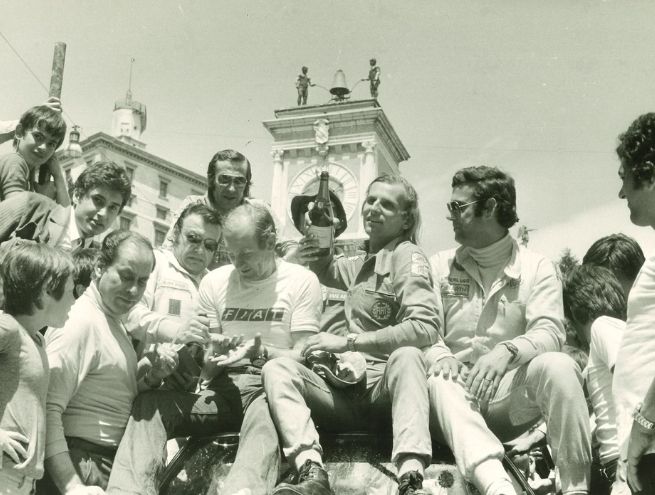
And that's not all, because Rétromobile will once again welcome the big names of the discipline (drivers, co-drivers, preparers, photographers, etc.) on a live stage located at the centre of the exhibition. This is a unique opportunity for enthusiasts from all backgrounds to discover the stories and anecdotes of these modern-day adventurers.
Rallying, an all-terrain adventure
A sea change for rally racing in the 1960s
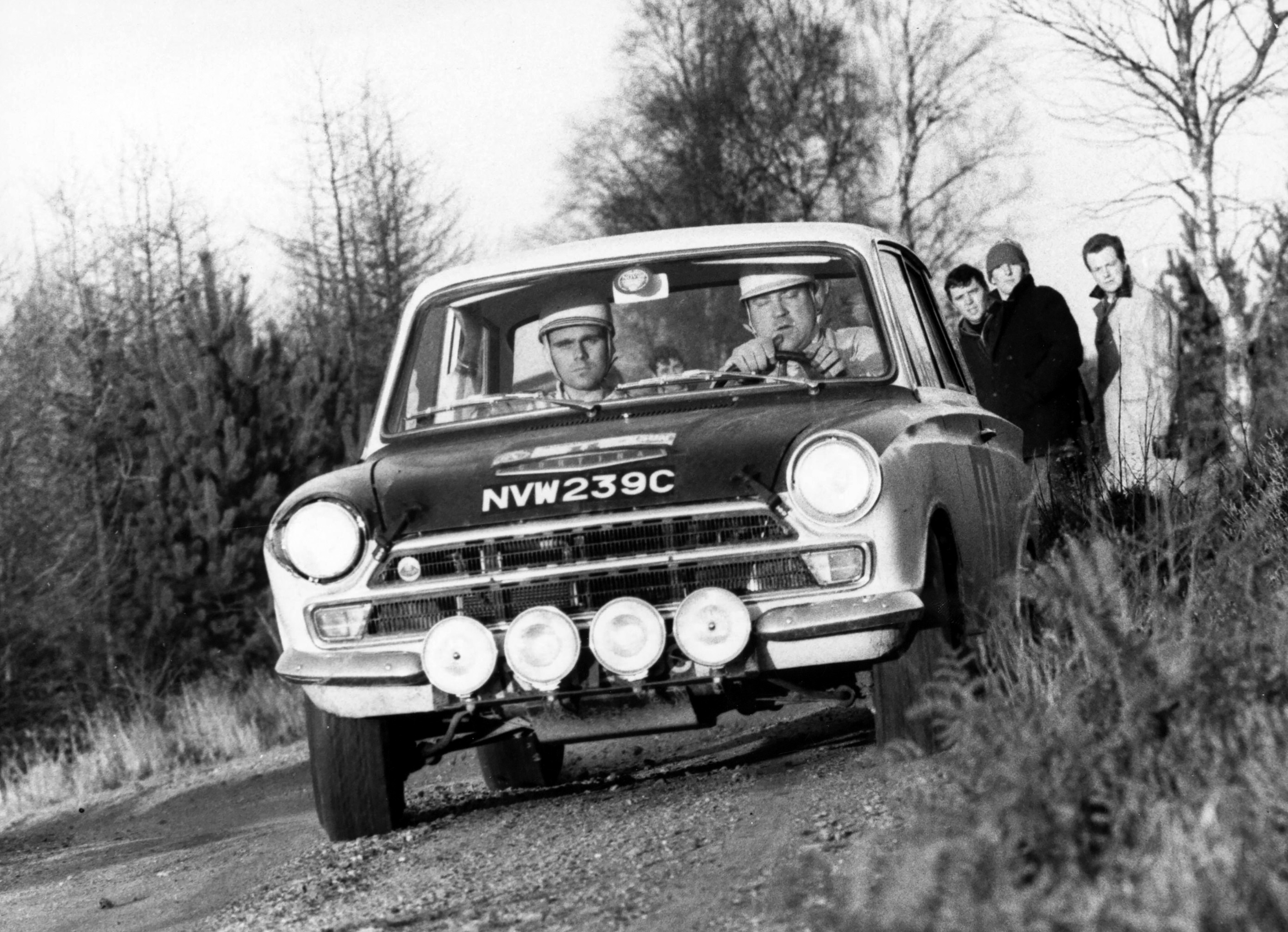
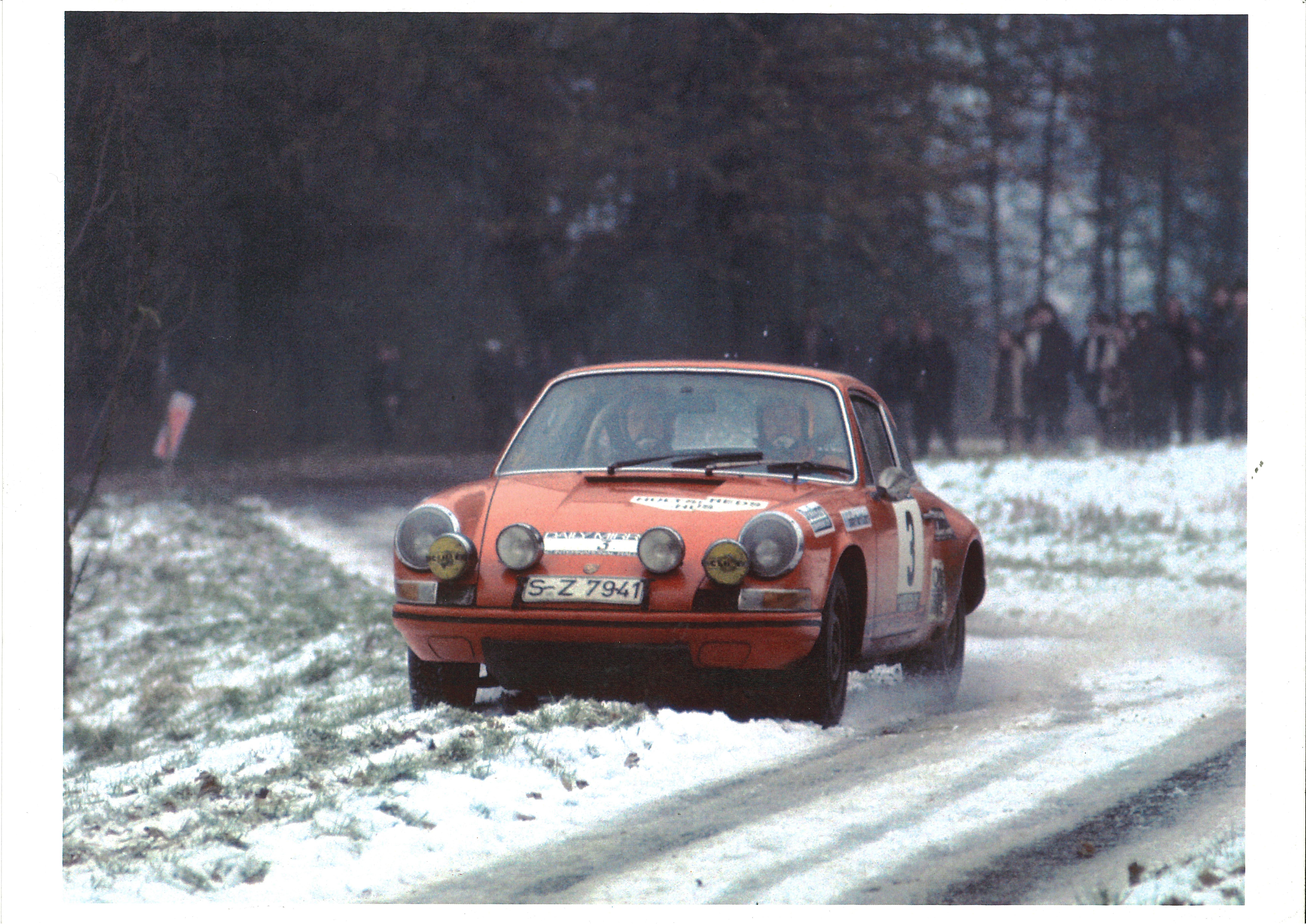
Although it has existed for almost as long as the motor car itself, it was in the early 1960s that rally racing truly began to carve out a reputation in the world of motorsport. Drivers became more professional, as did the teams. Increasingly, manufacturers joined the fray, seeing the discipline as a veritable laboratory for innovation. And this assumption proved right, with many models making a lasting impression, such as the Alpine A110 (five-time medallist in the prestigious Coupe des Alpes), the Mini Cooper S 1275cc (three-time winner of the Monte Carlo Rally) and the Ford Cortina Lotus MK1 (first place in the RAC Rally and in numerous touring car races).
In 1973, the rally world broke new ground when the FIA created the World Rally Championship (WRC), the first manufacturer championship. Now a global event, the first edition was won by Alpine Renault and its A110 1800, a remarkable achievement in a discipline previously dominated by Porsche and Lancia. But Vincenzo Lancia's company was determined to regain the upper hand. In 1974, it narrowly obtained homologation for a new vehicle that would prove to be one of the most iconic of its generation: the Lancia Stratos.
Lancia Stratos and Fiat 131 Abarth: the rallying world dominated by Italy
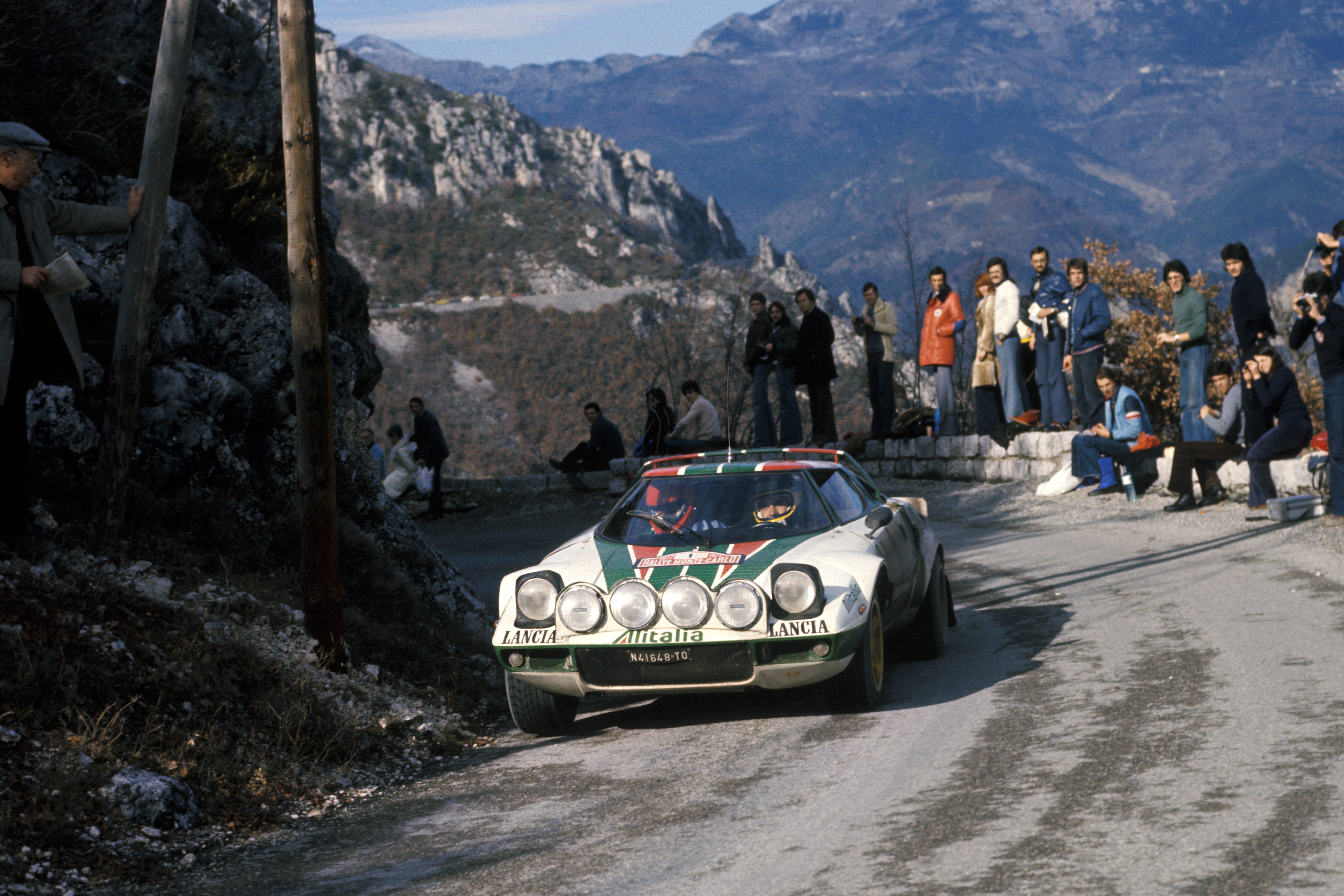
The Italian saloon car definitely stood out from the crowd. As the first vehicle specifically designed for rallying, it was powered by a 2.4-litre V6 engine borrowed from the Ferrari Dino 246 GT, capable of delivering up to 280 horsepower. Designed by Bertone, the Stratos was short, wide and nimble. Built for winding roads and dirt tracks, this beauty could only be mastered by a select few, such as Sandro Munari.
First entered in 1974, the Lancia Stratos left its competitors in the dust and was to reign supreme in the WRC until 1976. In 1977, Bernard Darniche won the Monte Carlo Rally in a Stratos, even though the ageing car was up against more modern machines. It eventually faded into the background for marketing reasons, replaced by the Fiat 131 Abarth. While the cars changed, the Italian domination remained: Fiat won the world championship two years running.
Rule changes usher in a new era in rallying
In 1979, the FIA officially introduced a drivers' classification and a proper individual title for drivers, but it was also quietly working on new technical regulations for vehicles participating in the different championships. These regulations divided the different vehicles (Touring Cars, Grand Touring Cars and Sports Prototypes) into three categories: rally cars would compete in Groups A and B, while Group C would be for circuit racing.
Although similar on paper, these two sister categories were very different. Whereas Group A could be considered an evolution of traditional rally racing (cars derived from production vehicles with a production run of at least 5,000 units, power ranging from 200 to 300 horsepower, etc.), Group B had a completely different philosophy. Here, there were few (if any) limits; the only things that mattered were innovation and performance. The minimum number of homologations was set at 200 vehicles, and only 20 if it was an upgrade to an existing series. In December 1980, the FIA Executive Committee ratified the fact that the World Rally Championship would be reserved for Group B vehicles from 1 January 1982.
Audi, the four-wheel-drive revolution that would change the face of rallying
A two-year wait ensued. Two years during which rallies came and went, but none were alike. In 1980, Fiat and its 131 Abarth won the manufacturers' championship once again, which would be its last. In 1981, with Ford and Ari Vatanen favourites to win the double in the championship, the manufacturers' title was snatched away by the small Talbot team and its lead driver Guy Fréquelin.
But the real surprise came from Germany. Taking advantage of the repeal of a paragraph in the sporting regulations, Audi entered a new vehicle in the 1981 Monte Carlo Rally: the Audi Quattro. On paper, the model was not the favourite: although it came with an impressive 300 hp turbo engine, its permanent all-wheel drive was considered too heavy, too complex and superfluous on asphalt. And yet, for the Quattro’s second race on 15 February in Karistad, it won the Swedish Rally. A few months later, in Italy, an Audi Quattro once again came away with the honours. Behind the wheel was a certain Michelle Mouton, who became the first woman ever to win a WRC rally.
Group B and the golden age of rally racing
On 1 January 1982, Group B was officially launched. No doubt nostalgic for bygone glory, Lancia was the first manufacturer to present a vehicle that complied with the spirit of the regulations. In the courtyard of its Turin factory, an impressive line-up of 200 two-wheel-drive Lancia Rally 037s powered by a 2-litre 4-cylinder engine coupled with a Volumex and installed in a central rear position was unveiled. In its first outing at the Tour de Corse, it finished ninth. It was far behind Michelle Mouton's Quattro and even further behind Jean Ragnotti's Renault 5 Turbo. At the end of the season, Audi won the manufacturer's title.
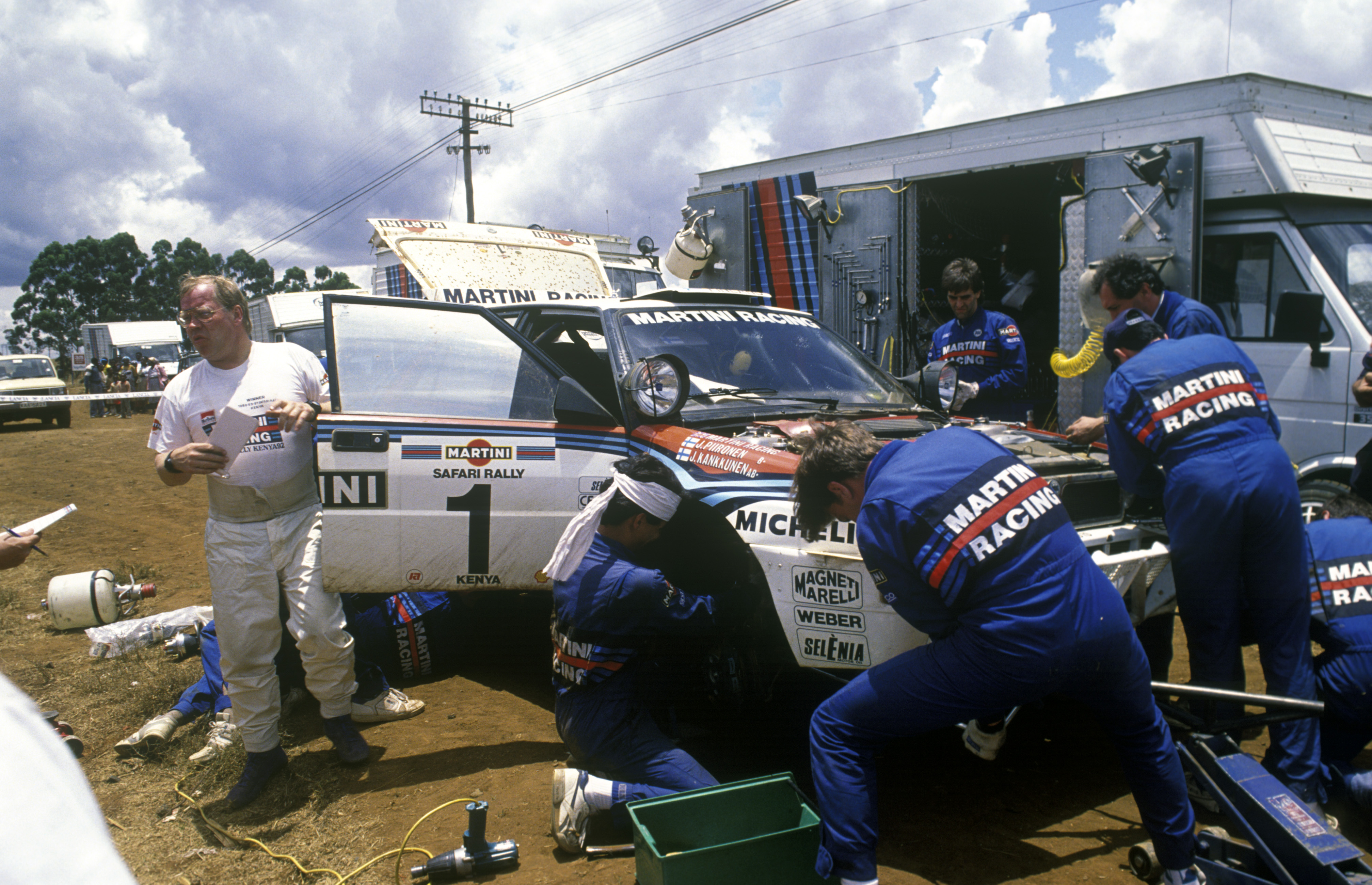
However, revenge would come in 1983. For this second edition of Group B, the Italian firm came out swinging. The Lancia Rally 037 defeated the Audi Quattro throughout the season. Unbeatable on asphalt, the 037 proved light and precise enough to also give the German vehicle a run for its money on other terrains. The Lancia 037 would be the last rear-wheel drive vehicle to win the World Rally Championship.
Peugeot, Audi, Lancia: battling it out at the top
As the 1984 season dawned, it was clear that the quest for victory would inevitably lead to excesses. Making its first appearance in Corsica, the Peugeot 205 T16, developed in the utmost secrecy by Jean Todt, proved to be very fast, and the new Quattro bowed out unglamorously. Not one to lose face, Audi developed a Sport version with a wheelbase shortened by 320 mm. In his third race, at the 1000 Lakes Rally, Ari Vatanen secured victory for Peugeot. However, it was the German manufacturer and its driver Stig Blomqvist who won both titles that year.
While they had certainly become more powerful, the cars were also increasingly difficult to drive. 1985 was a troubled year. Attilio Bettega died in Corsica after his 037 crashed into a tree. Ari Vatanen was seriously injured when his car rolled several times in Argentina. At the 1000 Lakes Rally, Timo Salonen and the T16 were victorious. Audi's response came in the form of the Sport Quattro S1. At the RAC Rally, the Lancia Delta S4 made a successful debut, winning the British leg with Henri Toivonen at the wheel.
Swansong for Group B
From the 1990s to the present day, the renaissance of modern rallying
Our partners