
At the heart of heritage: Discover the treasures of our partner museums
The Armoured Vehicle Museum of Saumur
Located in the Maine-et-Loire region, the Armoured Vehicle Museum of Saumur houses one of the largest collections of armoured military vehicles in the world, with nearly 800 examples from different eras and nations. A benchmark institution for military history enthusiasts, the museum offers a chronological journey tracing the evolution of armoured vehicles from their emergence during the First World War to the most modern equipment, while highlighting a recognised expertise in the conservation and restoration of historic vehicles.
At Rétromobile 2026, the Armoured Vehicle Museum of Saumur will present on its stand an iconic vehicle: the LVT A1 amphibious tank – 1944.
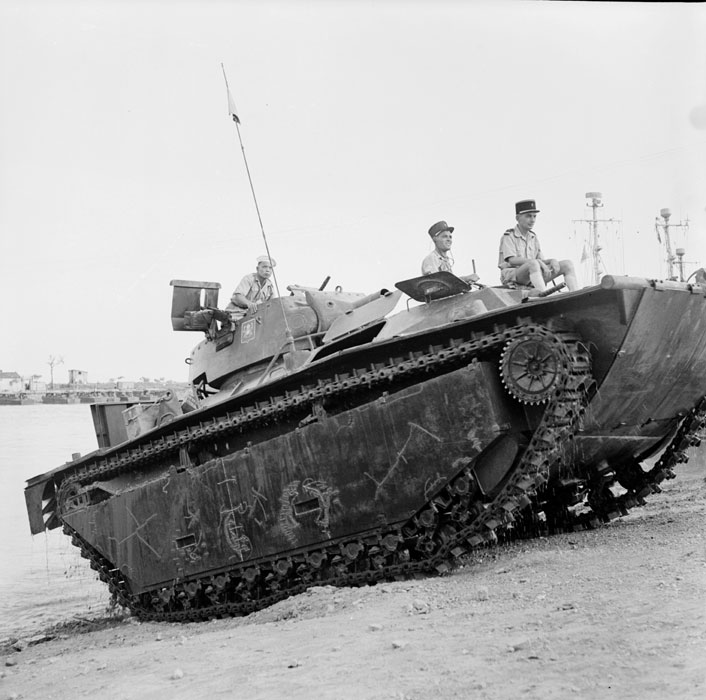
LVT A1, Amphibious Assault in the Service of American Forces
Used by American forces during the Second World War, the LVT A1 is an amphibious tank specifically designed for landing operations in the Pacific. Capable of navigating on water before crossing coral reefs thanks to its distinctive tracks, it enabled U.S. Marines to reach heavily defended beaches. Armed with a 75 mm howitzer, the LVT A1 played a decisive role in the destruction of enemy bunkers during amphibious assaults. Nicknamed “Amtrac” by soldiers, it was a key element in the reconquest of islands occupied by the Japanese army.
Technical specifications – LVT A1:
- Manufacturer: Food Machinery Corp.
- Crew: 6 soldiers
- Combat weight: 14,878 kg*
- Armour: turret 38 mm, hull 6.4 mm
- Maximum speed: 40 km/h on road, 11 km/h on water
Cité du Train – SNCF Heritage
Located in Mulhouse, Alsace, the Cité du Train is the largest railway museum in Europe. It houses an exceptional collection of locomotives, carriages and railcars, retracing more than 170 years of French railway history.
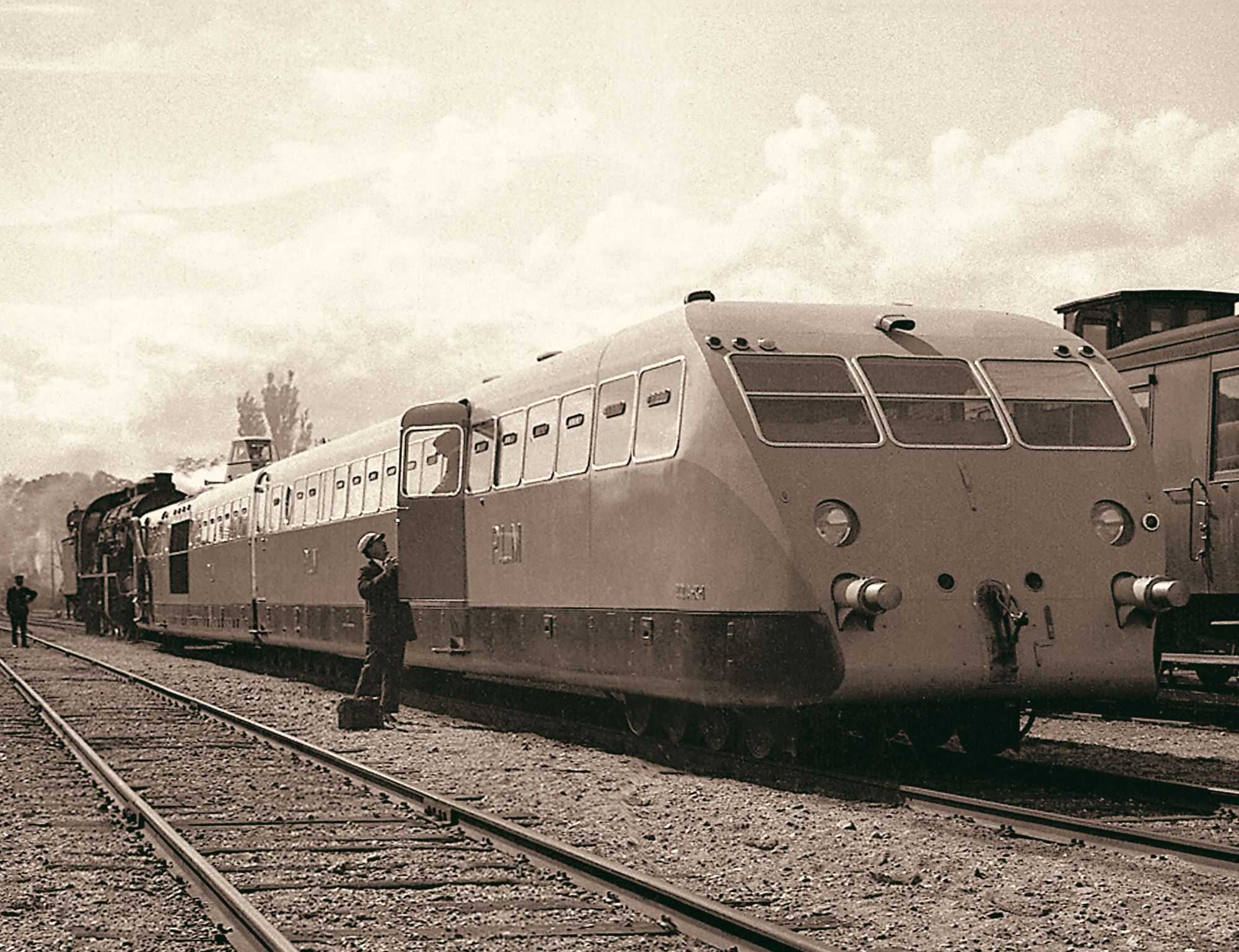
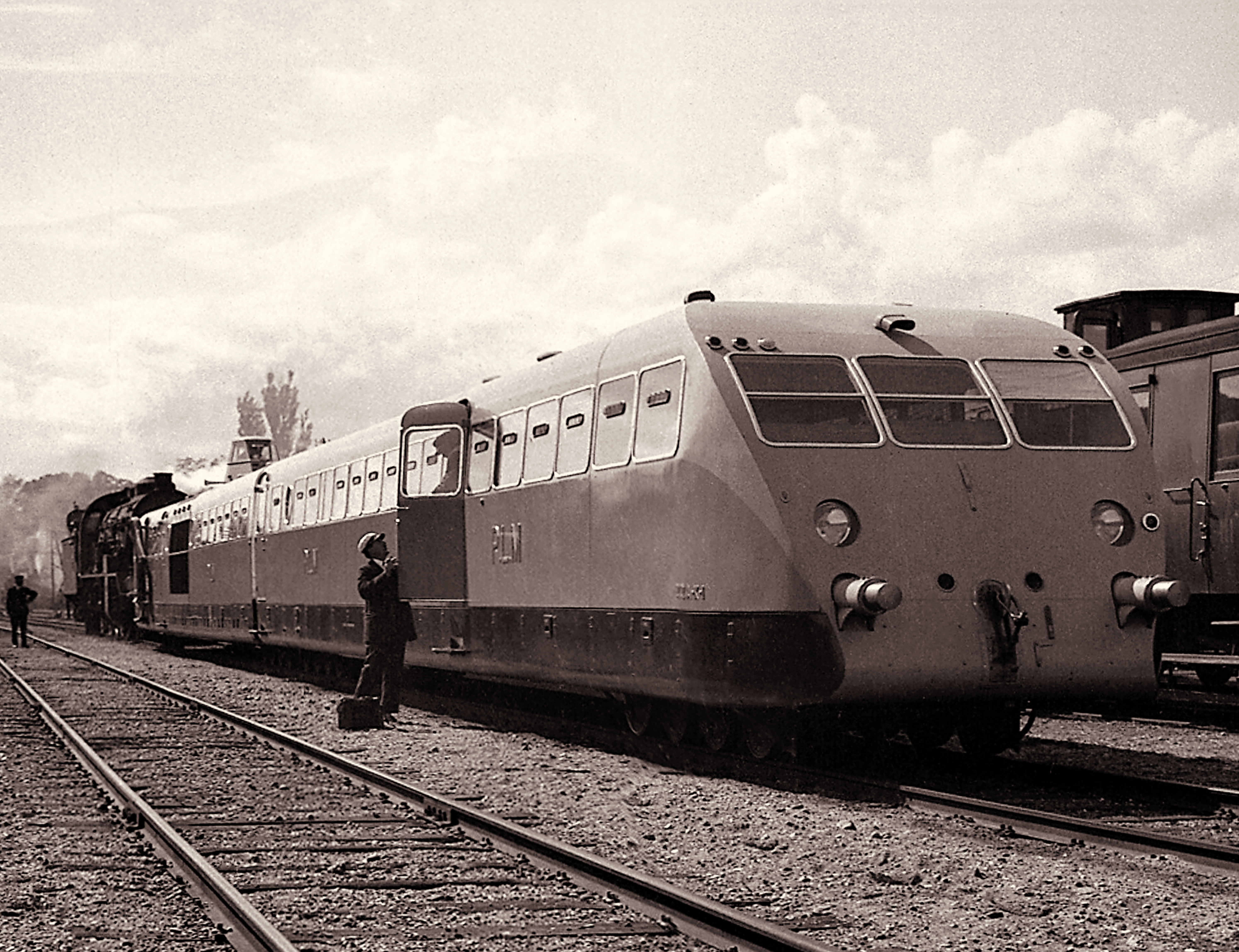
A true place of memory and innovation, the museum highlights the evolution of rail transport, from the first steam engines to high-speed trains. On the occasion of a major retrospective dedicated to Ettore Bugatti, the Cité du Train will present at Rétromobile a piece as rare as it is prestigious: the Bugatti “Presidential” Railcar.
Bugatti “Presidential” Railcar, Elegance and Speed in the Service of French Railways
A symbol of boldness and innovation, this railcar embodies Ettore Bugatti’s ambition to transpose automotive performance into the railway world.
Powered by four eight-cylinder engines derived from Bugatti Royales and developing nearly 800 horsepower, this “thoroughbred of the rails” stands out for its exceptional speed, comfort and elegance.
From its very first trials, it set several records and ensured fast connections, notably between Paris and Normandy. Used by the President of the French Republic from as early as 1933, it became an emblem of French expertise and remains today one of the jewels of the Cité du Train collection in Mulhouse.
Technical specifications – Bugatti Railcar:
- Power output: 800 hp
- Length: 23 metres
- Weight: 40 tonnes
The National Automobile Museum of Mulhouse
Also located in Mulhouse, the National Automobile Museum is one of the world’s most prestigious institutions dedicated to automotive history. It houses a unique collection of over 400 exceptional cars representing nearly 100 different brands, including the largest Bugatti collection ever assembled.
Within the exhibition dedicated to the genius of Ettore Bugatti, and alongside the Presidential Railcar, no fewer than nine extraordinary Bugatti models from the Schlumpf Collection will be displayed at Rétromobile. Among them: the exceedingly rare Bugatti Type 64 Coach – 1939.
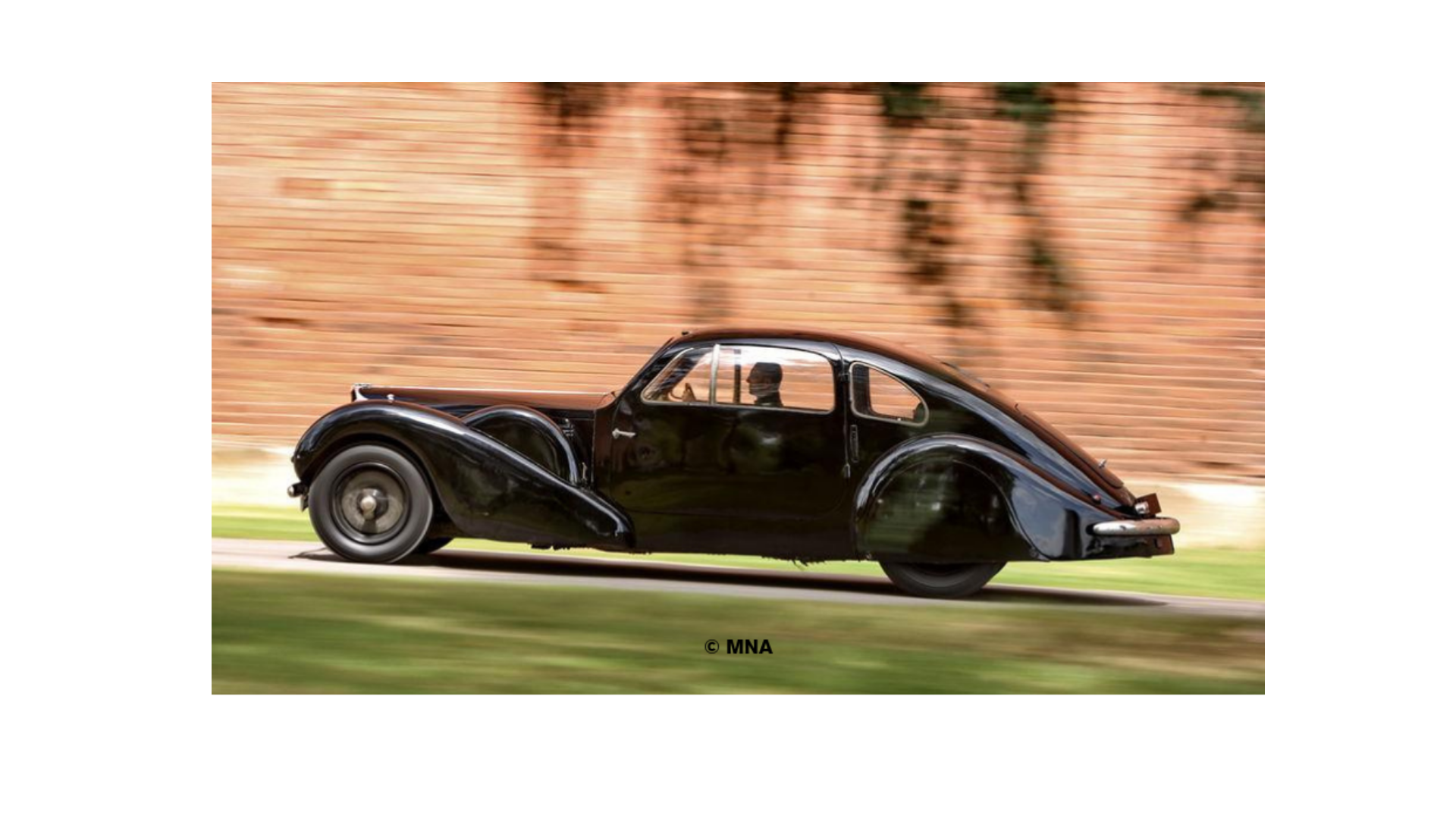
Bugatti Type 64 Coach, the Avant-Garde Vision of an Automotive Genius
Produced as a one-off by Jean Bugatti, the Type 64 Coach is one of the rarest and most fascinating automobiles in the brand’s history.
Designed as the prototype for a future range of luxury sports cars, it was never put into production following Jean Bugatti’s accidental death in August 1939 and the outbreak of the Second World War. Built in secrecy to be unveiled at the 1939 Paris Motor Show, this car stands out for its avant-garde design, aluminium bodywork and technical innovations, notably its butterfly doors patented by Jean Bugatti. A true unfinished masterpiece, the Type 64 embodies the boldness and creative genius of its designer.
Technical specifications – Bugatti Type 64 Coach:
- Power output: 185 hp
- Length: 5.3 metres
- Width: 1.8 metres
The Gino Macaluso Foundation
Based in Turin, the Gino Macaluso Foundation is an international reference in the preservation and promotion of historic competition cars, particularly those from the legendary Group B era. As part of an exhibition dedicated to the golden age of rallying, the Gino Macaluso Foundation will present several extraordinary models, including the legendary Audi Quattro Group B A1 – 1981.Audi Quattro Group B, the All-Wheel Drive Revolution in Rallying
The Audi Quattro revolutionised the world of rallying with the introduction of all-wheel drive, a first on a production-based sports car. Presented in 1980, it quickly achieved numerous victories, notably at the 1982 Sanremo Rally with the Blomqvist / Cederberg crew.
The car on display is precisely the one that achieved this victory. It was later converted into Group B A1 specification and competed in the German championships with Michèle Mouton and Harald Demuth, confirming Audi’s technological lead over its rivals.
Technical specifications – Audi Quattro Group B:
- Power output: 360 hp
- Top speed: 250 km/h
- Weight: 1,190 kg